The prevention and management of chronic conditions with the intention of having high quality of life increases as we grow older. This article will help deepen the understanding of viable measures such as lifestyle change, appropriate medical care and nurturing emotional wellness that allow you to enjoy better health and happier lives with chronic health conditions.
Understanding Chronic Conditions
Chronic conditions are health problems which can be permanent and may still require the attention of a medical practitioner at the end of one year or even later and may disrupt the normal living life. These conditions cannot be treated, and they can also be managed with the help of proper treatment and the change of the lifestyle.
Let me list some of the usual chronic diseases: diabetes, arthritis, high blood pressure, heart disease, asthma and chronic obstructive lung disease (COPD). There is also the possibility of mental illnesses such as depression and anxiety being chronic as long as it takes a long period of time.
Impact on Daily Life
A chronic condition can have grave effects on the quality of life and well-being. Pain, tiredness, and lessen mobility are such symptoms that can limit the mobility of the body and can either disrupt work or spoil leisure.
Such conditions can also influence the mental health, causing stress, anxiety, or even depression. It can require the patient to be examined by the doctor regularly, taking of medicines, the patient may have to change their diet and lifestyle, all of which are time consuming and expensive. Still, there are ways to manage chronic conditions and make people live a complete life.
Developing a Management Plan
Management planning is a complex process and every plan is prepared in accordance to the needs of individuals. The challenges of chronic conditions can be mitigated through proper care and strategies. The following are some of the important areas of focus that would be helpful in ensuring the overall well-being of people:
Regular Medical Check-ups
It is necessary to monitor the progression of the chronic diseases and prevent their complications by conducting regular check-ups of the medical facilities. This kind of appointment would allow healthcare personnel to assess the success of the current treatment techniques, change medications or therapy where necessary, and treat any emerging symptoms.
One of the suggested measures should be to be on the move in the region regularly to enhance the standards of care and avoid adverse developments of severe health issues.
Personalized Health Objectives
Developing individual health objectives enables the target audience to manage their health-related interests. These objectives need to correspond to medical recommendations and include the attainable milestones, including nutritional improvement, the use of physical activities or stress management.
Medication Adherence
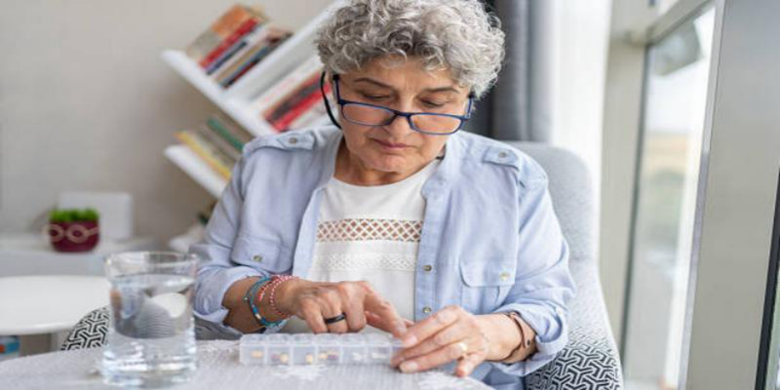
A key feature of chronic conditions management is taking the prescribed medications. Missed doses or irregular adherence to medication regimen may affect the results of the treatment and cause complications. To make sure medicines are taken properly and in time, it is possible to develop a system like reminders or a pill organizer.
Adopting a Healthy Lifestyle
Healthy lifestyle is a complicated process which does not only involve depicting medications. It means that it is conscious decisions made in daily routines to help maintain physical and mental health. This is illustrated in the following sections which have highlighted key points of living a fulfilling and balanced life.
Balanced Nutrition
A healthy lifestyle is based on a well-balanced diet. Competing with fruits, vegetable foods, whole grains, low protein foods, and healthy fats, these foods serve to replenish the necessary nutrients in the body.
Eating less processed food, fewer calories of added sugars, and sodium will contribute to decreasing the chance of chronic diseases. Remaining hydrated, through drinking plenty of water during the day is also a critical aspect in keeping one healthy and having enough energy.
Do Physical Activity
Regular exercise is a healthy practice in terms of both cardiovascular fitness enhancement, strength training, and flexibility. Such simple modifications as using the stairs, walking or riding to the closest destinations, or short exercises at home can help.
Active living decreases the chances of numerous diseases and enhances the level of energy and improves sleep patterns. The main idea with exercise is to reap the maximum benefits and ensure this is through consistency.
Managing Stress

Stress management is crucial because mental health is crucial as the physical one. Such relaxation methods as deep breathing, meditation, or yoga can relieve tension. Good habits that can be used to keep the emotional balance include having fun with hobbies, spending time with loved ones, and establishing healthy boundaries.
The professional support system encourages long term mental resilience and a positive outlook on life, which is achieved by seeking the assistance of a professional when necessary.
Engaging with Healthcare Resources
Such an access to respective healthcare resources and services is a pivotal measure in keeping the physical and mental health intact. Through active involvement of healthcare providers, community support and awareness of available financial opportunities, people would be sure to be offered sufficient care that suits their needs. The following are the main points to take into consideration:
Cooperation with Professionals
It is important to form a relationship of trust with providers of health care. Discuss issues, symptoms, and objectives during appointments. Routine screening and check-ups can be used to detect possible health problems in advance. Also, one can hear professional recommendations regarding lifestyle change, medications, or treatments, which will guarantee a proactive attitude towards disease control.
Community Support
Community resources of support groups and wellness programs are of great help in the health management. The organizations tend to offer free or low-price health care, educational seminars, and group therapy. These resources contribute to a sense of belonging and give people tools to approach the health problems in an environment supportive to the extent of handling them more efficiently.
Practicing Financial Options
The challenges of insurance plans and finances involved in healthcare may be daunting. By reading the policy information such as coverage, co-payments and deductibles you are certain to gain maximum benefits.
Several medical caregivers also have payment or financial assistance schemes. The knowledge of such options will lower financial strains and make the care required affordable without unnecessary force.
Monitoring Progress and Adjustments
It is important to monitor the signs and wellness changes consistently. Observing the trends or emerging changes assists in pointing out ways of improvement. Following these observations would make adaptation of the management strategies to make sure the therapies used are effective and specific to the needs.
Being proactive through preventive measures like frequent screenings, vaccination, and lifestyle are some of the activities that promote long-term health. This preventive strategy puts you in the position to manage your health status and solve any possible issues at an earlier stage.
Conclusion
Chronic conditions need to be managed consistently, properly and in a manner that is self-aware as you grow old. By maintaining a healthy lifestyle through regular medical examinations, emotional support and healthy lifestyle choices you can also be able to ensure independence and enhance the quality of life.