Visible leg veins can make you feel self-conscious and uncomfortable, but they are treatable. From lifestyle changes to medical procedures, there are several ways to reduce their appearance. In this article, we'll share four effective tips to help you get healthier, vein-free legs and regain your confidence.
Understanding Visible Leg Veins
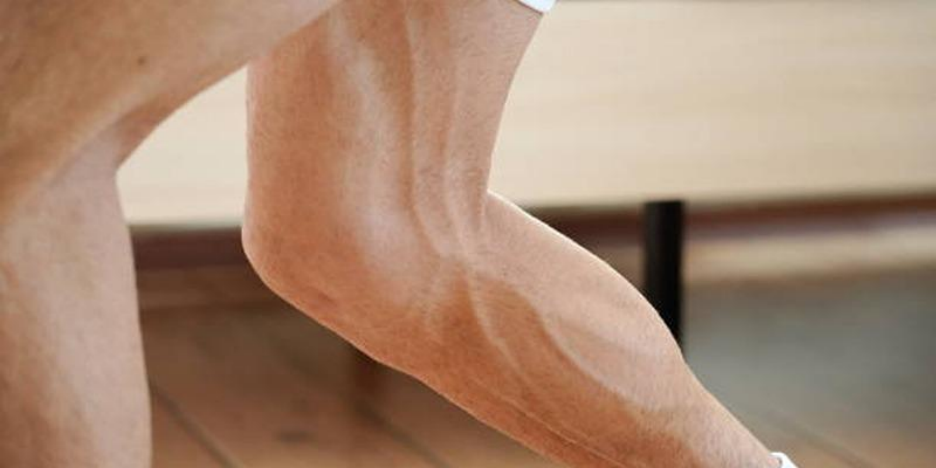
The appearance of visible leg veins such as spider veins and varicose veins occur when the normal functioning of valves in veins is not maintained. Usually, these valves assist in blood pumping upwards to the heart. They may become weak, and thus the blood will be able to collect in the veins, making them appear, and thus appear as enlargements, which are seen through the skin.
Various causes are attributed to this condition with some of the most common ones being genes, long-standing or sitting, hormonal alterations, age and overweight. Although this issue might be superficial to a certain extent, unattended veins can occasionally result in the congestion, pain, or soreness in the legs. The concept of knowing the cause is the first step to appropriate choice of treatment.
Sclerotherapy: The Classic and Trusted Solution
Sclerotherapy has been a very popular and effective solution to the appearance of veins particularly those that are small in size up to medium size. This is a non-surgical process that implies administration of a special solution in the veins that are problematic. The solution aggravates the inner lining of the vein leading to its collapse and, as a result, being absorbed by the body after some time.
Why it works:
Closure of the treated veins causes the body to automatically bypass the blocked veins and use healthy veins, which minimizes the look of the problem areas. In few of weeks, the treated veins clear after which they can hardly be traced.
Benefits:
It is a non-surgical operation that can be done in a clinic with minimal downtime and the patient can be back to normal activities immediately. It is very useful during the treatment of spider veins as well as smaller varicose veins as its efficacy is proved by decades of use, and it has proven to be safe. It is a favorite and a good alternative among individuals who want to treat veins.
Aftercare tips:
After sclerotherapy, it is necessary to wear compression stockings as ordered and do not sit or stand much over a few days. Raise the legs to decrease the swelling as well as discomfort with any prescriptions of pain pills. Always take the prescribed instructions given by your doctor and make the follow-up visits to attain maximum recovery and in case of any doubts.
Laser Therapy: A Modern, Non-Invasive Option
Laser therapy is an advanced treatment alternative to those who want to avoid injections and use the non-invasive treatment. It is done through concentrated light energy to heat and melt visible veins, resulting in their breakdown and eventual dissolution. It works particularly well in fine spider veins which are too small to inject.
How it works:
Laser energy will go through the skin without the destruction of the tissues around the skin. The targeted veins absorb the light, heat and finally close. In the next weeks the body automatically reglues these closed veins.
Advantages of laser therapy:
This form of treatment is not invasive and does not need incisions hence making it hassle-free. Sessions are brief and normally take only 20-30 minutes which gives you the chance to be able to fit them into your schedule. You can resume your routine within a short time and that is after a minimal recovery time. It can also be applied in the sensitive regions like the thighs and calves giving the person a good but soft outcome.
What to expect:
The patients might have some light tingling or warmness on the procedure but very little discomfort. This may need a number of sessions, depending on the amount and size of the veins. The result is slow but effective because of a less multicolored and even-colored skin. Laser therapy is also effective to promote the quality of skin texture and skin tone in the part being treated providing the worked part with a refreshed appearance.
Lifestyle Adjustments for Prevention and Maintenance
With or without the interventions of professionals, good habits are important and are needed to ensure that no new visible veins develop. The change of lifestyle could help to decrease the load on the veins considerably and achieve better circulation.
Practical tips to follow:
Keep moving:
Spending an excessive time sitting or standing limits blood circulation. Stretching or walking at short intervals would keep circulation going. Leg work like vigorous strolling, swimming, or cycling is excellent as far as the leg health is concerned.
Elevate your legs:
During the time of rest, you can attempt to raise your legs above level with the heart at least 1015 minutes. This is a habit that is very easy to practice which provides a relief on the leg veins and pushes the blood to move back to the heart.
Have compression stockings:
These special purpose stockings place a low pressure on the legs which holds the veins in place and decreases stagnation of the blood. They are also very useful among individuals who spend long hours standing or transit.
Minimally Invasive Vein Procedures: For Stubborn or Larger Veins
In cases where visible veins are bigger or more enduring, a more formidable solution can be proposed by means of a minimally invasive procedure. Endovenous laser therapy (EVLT) and radiofrequency ablation (RFA) are considered to be two of the most successful approaches.
Endovenous Laser Therapy (EVLT):
This is a method that involves the use of a thin laser fiber that is implanted in the vein using a small opening. The laser energy is applied to the inside of the vein and it will close and make the blood flow by taking alternative and healthier routes.
Radiofrequency Ablation (RFA):
Like EVLT, RFA requires radiofrequency energy rather than laser light. The damaged vein is sealed and it is absorbed by the body by heat.
Key benefits:
● Performed under local anesthesia
● Very small incisions with minimal scarring
● Quick recovery, often within a few days
● Effective for moderate to severe varicose veins
Natural Remedies for Supportive Care
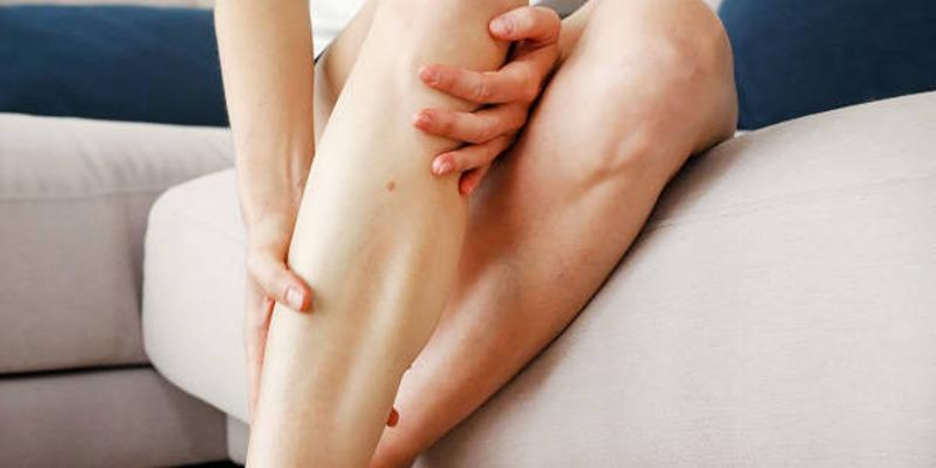
In addition to clinical interventions, there are some home-based care interventions that may be used to supplement your vein care status. These are not instead of medical solutions, but may be used to support the walls of veins and alleviate pain.
Leg massage:
Such a mild leg massage can miraculously help with it in terms of enhancing circulation and tension in the muscles. The upward strokes are important to use, as it promotes the blood flow towards the heart; this helps particularly in those people who spend a long time either sitting or standing. To get the best out of it, it is best to use a natural oil or lotion to motivate less friction and make the massage more relaxing.
Balanced nutrition:
Diet high in essential nutrients such as vitamin C, vitamin E, and bioflavonoids would be important in keeping the veins elastic and healthy in general. Good examples of foods that contain these nutrients include citrus fruits (such as oranges and lemons), berries (such as blueberries and blackberries), leafy greens (such as spinach and kale), and nuts.
Positioning and adequate rest:
Sitting position or rest may cause serious differences in blood circulation. Sitting with crossed legs can be very comfortable, but with time this can limit circulation leading to poor health therefore it is not recommended to get used to this. Rather, attempt to have your feet flat on the floor or use a footrest.
Conclusion
Unattractive leg veins do not need to be permanent. It is completely possible with the modern medical achievements and proper treatment of the legs. Since the standard form of sclerotherapy and laser therapy to the current sophisticated minimally invasive care and lifestyle modification, current therapies are effective, safe and individualized.