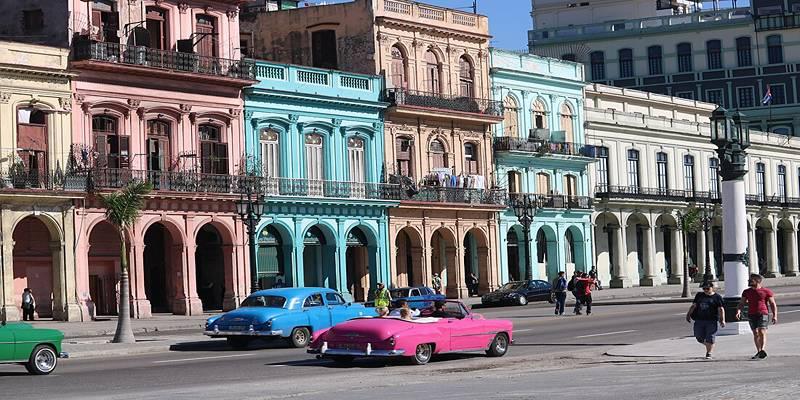
Cuba is a place where time seems to pause and move forward at the same moment. Visitors often describe the country as a living painting, filled with the textures of the past and the pulse of the present. Walking through Havana or Trinidad, one can sense that Cuba carries its old charm proudly while welcoming a new rhythm of change. The way the past and present share the same space makes it unlike any other destination.
The island’s magic lies in this coexistence. It is not forced or polished for visitors—it feels natural. Every street, sound, and smile reflects a mix of traditions that have been carefully preserved, even as modern life finds its way in. You can sip Cuban coffee in a family-run café while a Wi-Fi hotspot hums nearby. It’s this unplanned blend of classic and contemporary life that defines the Cuban experience.
Where Classic Cars Still Rule the Streets?
Few things capture Cuba’s identity like its old American cars. These brightly colored Chevrolets, Pontiacs, and Buicks glide through the streets as if time forgot them. Locals call them almendrones, a name filled with affection and pride. Many of these vehicles are more than sixty years old, yet they remain part of everyday life, driven with care and dedication.
These cars are not just for show—they are part of Cuba’s heartbeat. Mechanics use creativity to keep them running, often combining parts from different models. It’s an art form in itself. Tourists love cruising along the Malecón in a convertible, watching pastel buildings flash by as the sea breeze hits their faces. The contrast is striking: a car from the 1950s driving past a sleek modern hotel. This visual mix of nostalgia and progress makes the streets of Havana feel like an open-air museum with a twist of modern flair.
Modern Buildings Amid Ancient Facades
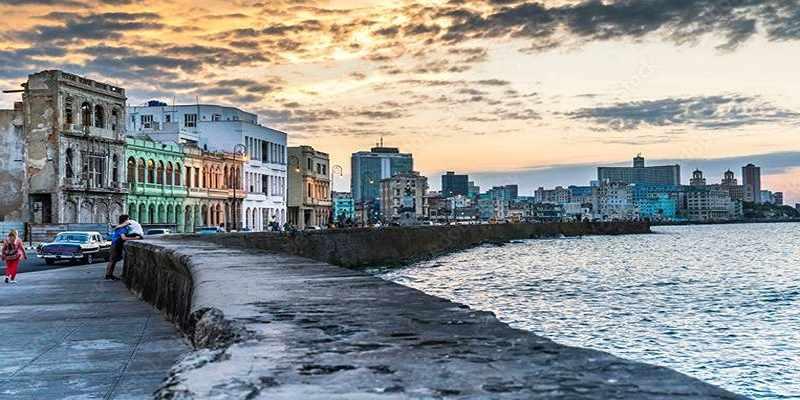
Cuba’s cities are a patchwork of eras. You might find a new glass-fronted hotel beside a colonial building with fading paint and carved balconies. The sight doesn’t feel mismatched—it feels poetic. These layers of architecture tell a story of resilience and adaptation. In Havana, modern restaurants with minimalist interiors sit across from classic cigar shops filled with rich wooden shelves.
The Malecón, Havana’s famous oceanfront promenade, reflects this dual character. During the day, it’s lined with fishermen using handmade lines; by night, young people gather with Bluetooth speakers and smartphones. This balance between the old and the new shows how Cuba embraces progress without erasing its roots. Every corner feels alive with contrast, like two melodies blending perfectly in one song.
Technology Finds Its Way in Tradition
Internet access came slowly to Cuba, but it’s now part of daily life. In parks and public squares, locals gather around Wi-Fi spots, chatting with relatives abroad while sitting beside friends playing dominoes. The image is almost cinematic—digital screens lighting up faces in front of hundred-year-old buildings.
Cuban innovation doesn’t stop there. From local artists selling digital prints to young entrepreneurs running mobile repair shops, technology coexists with age-old customs. What’s fascinating is that modernization here hasn’t replaced community bonds. It has strengthened them. People share connections—both online and offline—with a warmth that feels distinctly Cuban.
You might see a grandmother video calling her son while a neighbor tunes a guitar for an evening set on the corner. A taxi driver takes mobile payments on a cracked screen, then points you to his cousin’s home kitchen, where the best fritters sell fast.
Art, Music, and Culture That Bridge Generations
Art in Cuba doesn’t sit quietly on gallery walls—it spills into the streets. Murals brighten old walls, blending revolutionary imagery with modern abstract designs. Music, too, follows this dual rhythm. You can hear a jazz band experimenting with traditional son cubano beats while students record tracks on their phones nearby.
In Havana’s Fábrica de Arte Cubano, an old factory turned cultural center, visitors move between exhibits of classic photography and digital installations. The place captures the essence of modern Cuba—creative, bold, and deeply tied to its roots. Dance schools mix traditional salsa with contemporary choreography, showing how old expressions can evolve without losing their identity. It’s this artistic dialogue between eras that keeps Cuba’s cultural scene fresh and timeless.
Streets That Tell Living Stories
Cuba’s neighborhoods are like open books. In Old Havana, you can walk through cobblestone lanes where laundry flutters from colonial balconies, then turn a corner and find a chic café serving espresso alongside local pastries. The rhythm of street life doesn’t feel staged—it’s genuine and unscripted. Street photographers still use antique cameras to capture black-and-white portraits for tourists. The results are charmingly imperfect, blending nostalgia with authenticity.
What stands out most is how Cubans interact with their surroundings. They live within history but don’t feel trapped by it. The mix of old and new isn’t something they talk about—it’s something they live every day. This easy balance is what gives the country its unique warmth.
Food That Marries Tradition and Creativity

Cuban cuisine mirrors its landscape—simple yet full of depth. Traditional dishes like ropa vieja or moros y cristianos still dominate family tables, but modern restaurants are reinventing them with a twist. You might find a slow-cooked beef dish served with avocado puree or plantain chips shaped like art. Local chefs are merging heritage recipes with global flavors, creating a new culinary identity that remains true to its origins.
Even street vendors play their part in this harmony. A man selling fried plantains might play pop music from his smartphone while serving snacks wrapped in newspaper. It’s the small, everyday details that make Cuba’s food culture a delicious blend of eras.
Conclusion
Cuba is not just a destination—it’s an experience of time blending into itself. The sight of a vintage car beside a new building, the hum of modern music echoing through old streets, and the spirit of people living proudly between eras all define this island’s beauty.
Here, tradition doesn’t stand still; it dances alongside progress. And that’s what makes Cuba truly unforgettable—a place where the old and the modern not only coexist but celebrate each other every single day.