Predatory lending targets individuals who need quick money but are unaware of the hidden dangers. These lenders trap borrowers in debt with unfair terms, high interest rates, and unclear contracts. Many victims face long-term financial struggles as they end up paying far more than they borrowed.
Recognizing early warning signs helps you avoid these harmful loans before they damage your credit. It's equally important to understand your rights and know what to do if you've been exploited. Understanding predatory lending protects both your money and your peace of mind. Let's explore how to recognize these lenders, avoid their traps, and recover from their deceptive practices.
Understand What Predatory Lending Means
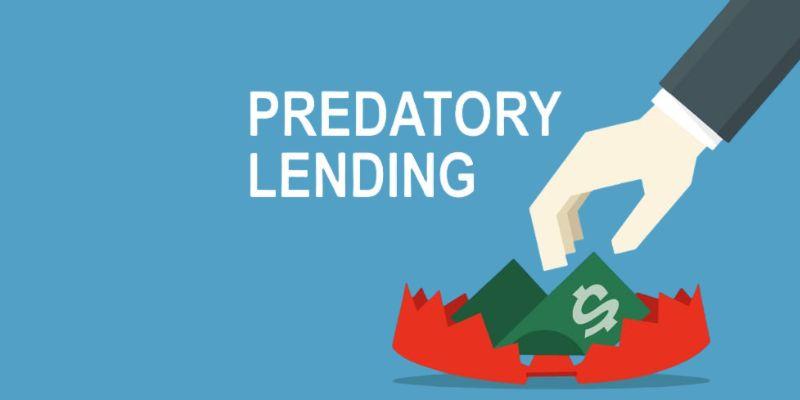
Predatory lending occurs when lenders deceive borrowers or use unfair tactics to trap them in debt. Often, their victims are individuals with poor credit, modest income, or urgent financial needs. These lenders often hide fees or impose extremely high interest rates. Some may steer borrowers into unaffordable loans or deceive them with false terms. These tactics create a vicious cycle that makes repayment nearly impossible.
The first step to protecting yourself is understanding these tactics. Honest lenders provide fair repayment terms and are transparent about all costs. Borrowers should always compare loan options before signing any document. A responsible lender explains every clause clearly. Recognizing these tactics protects you from major financial loss and prevents lenders from exploiting your trust.
Warning Signs of Predatory Lending
Several red flags point to a predatory lender. Common warning signs include high costs and unclear loan terms. It's a warning if a lender pressures you to sign immediately or discourages you from reading the agreement. Be wary of promises of guaranteed approval regardless of credit history. Some lenders may even demand property as collateral for small loans.
Hidden fees and prepayment penalties are also common indicators of fraudulent behavior. Before accepting, always read all terms and conditions. Reputable lenders are transparent and give you time to make a decision. If anything feels off, trust your instincts. Financial predators thrive on haste and confusion. Staying vigilant helps you recognize these traps early. Awareness prevents you from signing agreements that could harm your credit and long-term financial stability.
Check Loan Documents and Interest Rates Carefully
Before signing anything, borrowers should carefully review all loan terms. Predatory lenders often use confusing language to hide unfair conditions. Always verify the interest rate and compare it with current market averages. Watch for hidden costs, such as service fees, unnecessary insurance add-ons, or inflated processing charges. Make sure the lender clearly explains repayment plans and penalties.
Never sign blank or incomplete forms, as they may be altered later. Always request all loan details in writing for your records. Avoid lenders who use vague language or refuse to disclose full cost details. Comparing offers from multiple lenders helps you spot unrealistic deals. By carefully reading and understanding every document, you can avoid costly surprises. Ask questions, take your time, and avoid offers that seem too good to be true.
Avoid High-Pressure or Emotionally Driven Decisions
Fear and urgency are common tools predatory lenders use to rush borrowers. They may assert that the offer will expire shortly or that if you don't take immediate action, your credit score will decline. The goal of these pressure techniques is to obstruct rational decision-making. Conscientious lenders give you time to review and understand the terms. Never let desperation or feelings dictate your financial decisions.
Take a moment to review the details and discuss them with someone you trust. Don't share private financial information with unreliable people. Long-term debt and regret are frequently the results of emotional manipulation. Establishing boundaries helps you stay in charge of your decisions. Remember, any deal that demands an instant commitment likely hides something harmful. Maintaining composure and exercising caution guarantees that you consistently make wise financial decisions.
Know Your Rights and Legal Protections
Several consumer laws protect borrowers by prohibiting unfair lending practices. Lenders must clearly disclose interest rates and total costs under the Truth in Lending Act. The Equal Credit Opportunity Act prohibits discrimination based on age, gender, or race. The Consumer Financial Protection Bureau (CFPB) offers assistance to victims of abusive loans. Each state also has agencies that manage lending complaints.
Borrowers have the right to cancel certain loans within a few days without penalty. Knowing your legal rights protects you from pressure or exploitation. Documents and communication logs should be kept for future use as proof. Being aware of the law shields you from coercion. When taking out a loan or signing a loan agreement, every customer should be treated fairly, honestly, and with respect.
Steps to Take If You're Already a Victim
To reduce financial harm, victims of predatory lending should take prompt action. Collect all loan documentation and correspondence first. To complain, contact the CFPB or your local consumer protection organization. For expert guidance, think about contacting a nonprofit credit counselor. They can direct you to legal aid or assist in renegotiating terms.
Have an expert review your case before sending further payments to questionable lenders. If you believe the lender is engaging in intimidation or fraud, report them to the police. Keep an eye out for errors in your credit reports to safeguard your credit. Recovering losses is more likely when action is taken early. Emotional stress is natural, but you can regain stability through timely action. To avoid being taken advantage of by predatory financial institutions in the future, empower yourself through advocacy and education.
Conclusion:
When borrowers are under pressure or lack reliable information, predatory lending thrives. Your best defenses against these harmful practices are education and awareness. Read every document, research lenders carefully, and trust your instincts if something feels off. It takes courage, discipline, and patience to refuse deals that put your finances at risk. By reporting suspicious activity, you also help others avoid similar pitfalls. Smart borrowing supports long-term stability and peace of mind. The foundation of financial safety lies in knowledge, integrity, and the resolve to make wise choices.