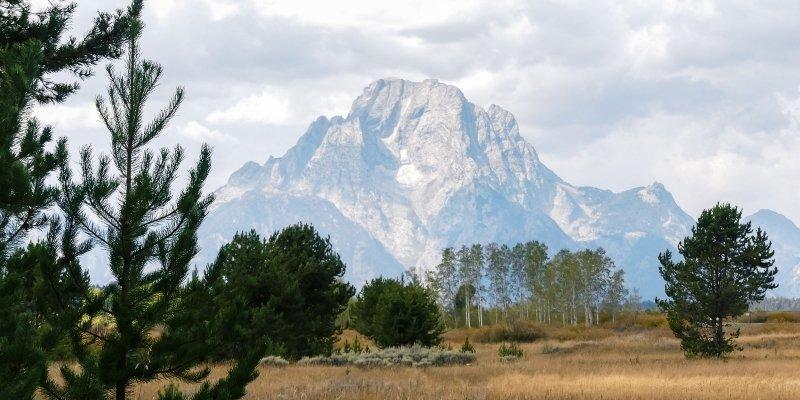
Jackson Hole serves as the high-altitude gateway to two of the world’s most iconic national parks, yet the sheer scale of this region can be a logistical trap for the unprepared. For those of us working in the travel sector, the most frequent problem we solve is the distance delusion. Families often look at a map and assume that Grand Teton and Yellowstone are neighbors that can be fully explored in a weekend. In reality, the driving distance between the southern entrance of Grand Teton and the northern reaches of Yellowstone can take four to five hours depending on wildlife jams and road construction. A successful family trip requires a grounded approach to timing that respects the slow pace of the mountains.
Strategic Mornings in Grand Teton National Park
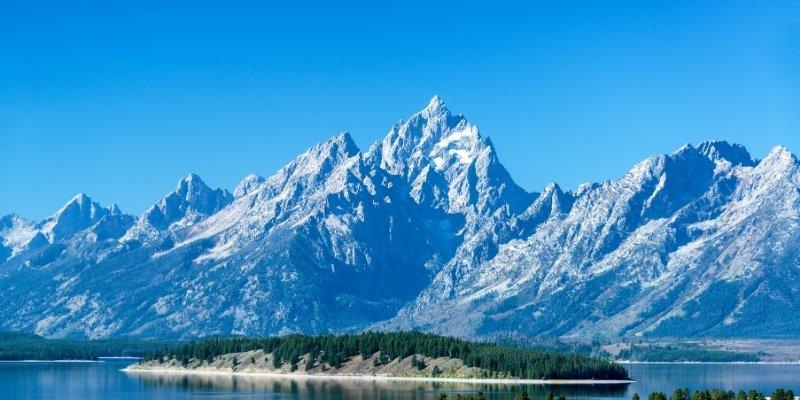
Grand Teton is defined by its verticality and its accessibility. For families, the primary bottleneck is the Jenny Lake area. By 10:00 AM, the parking lot is typically full, and the line for the boat shuttle across the water can exceed forty minutes. This creates a realistic frustration point for parents with young children. To solve this, we suggest the dawn patrol strategy. If you arrive at the String Lake or Jenny Lake trailheads by 7:30 AM, you secure a parking spot and get to see the mountains reflected in the glassy water before the afternoon wind picks up.
One niche travel detail often missed is the utility of the multi-use pathway that runs from Jackson to Moose Junction. It is a flat, paved trail that allows families to bike alongside the Teton range without the stress of sharing the road with heavy RV traffic. A realistic user scenario involves a family renting e-bikes in town and riding out to the Craig Thomas Discovery and Visitor Center. This solves the problem of car fatigue while giving kids a safe, active way to experience the scale of the valley. Just remember that bear spray is a mandatory tool even on paved paths; the park's resident grizzlies and black bears do not distinguish between a backcountry trail and a bike lane.
Handling the Geyser Basins and Wildlife Jams of Yellowstone
Yellowstone is essentially a massive, high-elevation plateau with a Grand Loop road system that creates a natural bottleneck. The most common communication gap for first-time visitors is the Bison Jam. A single herd of bison crossing the road can halt traffic for an hour or more. A professional travel agent uses this reality to build buffer time into every itinerary. If you have a dinner reservation at the Old Faithful Inn, you should leave your previous location sixty minutes earlier than your GPS suggests. This allows the group to enjoy the wildlife sighting rather than resenting the delay.
The geyser basins, particularly Grand Prismatic and Old Faithful, present a challenge for those with sensory sensitivities or mobility concerns. The boardwalks are narrow and often slick with steam. A realistic move for a family is to visit the Midway Geyser Basin via the Fairy Falls trail overlook. It requires a 1.5-mile hike, but it solves the problem of the crowded boardwalks while providing the iconic top-down view of the colors. A niche expertise tip: use the official NPS Yellowstone app to track geyser prediction times. A booking manager at the lodge uses this same data to advise guests on when to grab a seat on the viewing deck, ensuring you do not spend ninety minutes sitting in the sun waiting for a five-minute eruption.
Western Traditions and High-Altitude Preparation in Jackson
The town of Jackson offers a necessary break from the ruggedness of the parks, but it has its own set of seasonal bottlenecks. The nightly Town Square Shootout and the Jackson Hole Rodeo are local traditions that draw huge crowds. A realistic user scenario involves a family trying to find a walk-in table for dinner after the rodeo. Without a reservation, the wait times at popular spots can be two hours. We suggest eating an early mountain dinner at 4:30 PM or utilizing the local START bus system to avoid the nightmare of finding parking near the Town Square.
One often-overlooked limitation of this region is the altitude. Jackson Hole sits at 6,200 feet, and the higher passes in Yellowstone reach nearly 9,000 feet. Travelers from sea level often experience mild altitude sickness, which manifests as headaches or lethargy. A genuinely useful tool for parents is a hydration tracker or simply setting a timer to ensure everyone is drinking twice as much water as usual. Niche travel details include packing high-SPF sunscreen and layers; even in the middle of July, a morning in the Tetons can start at 35 degrees and hit 80 degrees by lunchtime. Being prepared for these swings prevents the early exit that happens when a child gets too cold or too tired to continue.
Seasonal Realities and the Logistics of the Shoulder Season
While summer is the peak, the shoulder seasons of September and early October offer a different observational experience. This is the time of the elk rut, where you can hear the haunting bugle of bull elk throughout the valley. The industry problem we solve during this time is the facility fade. Many park services, including some visitor centers and smaller lodges, begin to close in late September. A realistic scenario involves a traveler reaching a remote corner of the park only to find the restrooms and gas stations shuttered for the winter.
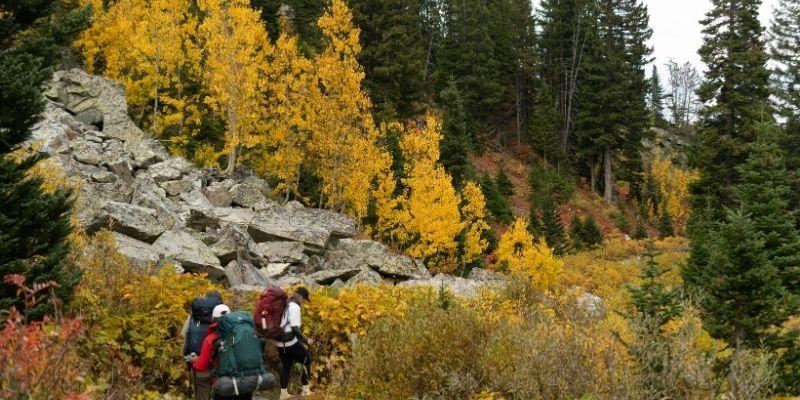
For those looking for a budget-friendly option, late May provides a unique window where the roads are open but the crowds haven't yet arrived. This is the baby animal season, offering the best chance to see bear cubs and bison calves. However, the limitation is the weather. You might experience a full-scale blizzard on a Tuesday followed by t-shirt weather on Wednesday. Having a flexible last-minute cancellation mindset for certain activities like rafting or hot air ballooning is vital. By accepting the unpredictability of the mountains, you ensure that the magic of the great outdoors remains a highlight rather than a source of stress.
Final thoughts for a Smooth Mountain Exit
Success on a multi-park family trip to the American West comes from respecting the natural rhythms of the landscape rather than fighting them. By prioritizing dawn starts to bypass trailhead bottlenecks, utilizing dedicated biking paths to escape car fatigue, and maintaining a strict hydration protocol for the altitude, you ensure the vacation is defined by discovery instead of stress. You leave the high country with a camera full of towering peaks and a family that has successfully shared in the wild heritage of the Rockies.