Eosinophilic Esophagitis (EoE) can make eating a painful and difficult experience for children, often leading to challenges with swallowing and inflammation in the esophagus. This article will explore the symptoms, triggers, and management strategies for EoE, aiming to equip parents with the knowledge to help their children navigate this condition and make mealtimes enjoyable once more.
Understanding Eosinophilic Esophagitis
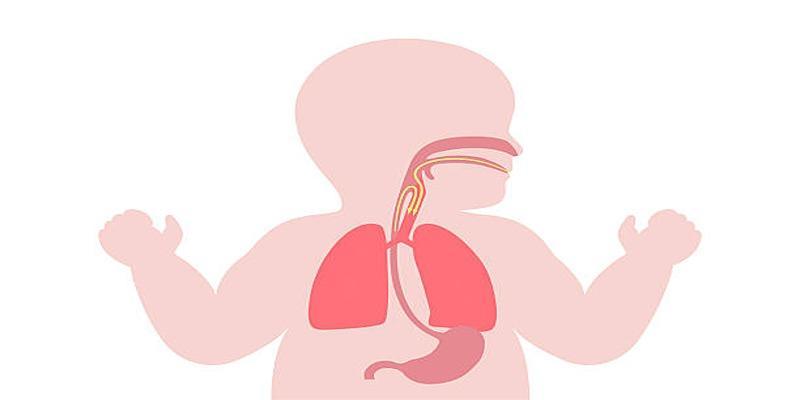
Eosinophilic Esophagitis (EoE) is a chronic immune-related disorder that occurs in the esophagus, which is the passageway that linking the throat to the stomach. It is a disease that develops when the concentration of one form of white blood cell, eosinophil, in the esophageal lining is high due to some stimulus. Such accumulation causes inflammation that may result in various symptoms such as difficulty in swallowing, food obstruction and chest pain.
Causes and Triggers
The allergens cause EoE mostly, and these can be food allergens, environmental allergens such as pollen or both. Some of the typical allergens in food are dairy, eggs, soy, wheat, peanuts, tree nuts, fish, and shellfish.
Symptoms can also be induced by environmental allergens, including dust mites, pet dander, or seasonal pollens. Further, genetic inclination as well as a family history of the allergic disorders such as asthma or eczema can, also, elevate the risk of developing EoE.
Impact of EoE to the Esophagus
This esophagus inflammation, EoE, may also result in the tightening or stiffening of esophageal tissue with time, which is referred to as esophageal fibrosis. This complicates the easy passage of food, causes discomfort, feeling of food stuck in the throat or even choking.
Children having EoE may also form dislikes of some of their texture or some kind of food because of the pain related to eating and it affects their nutrition and their general development.
Symptoms in Children
EoE may have a major effect on the quality of life of both children and the families as the condition can be treated by a mixture of dietary factor, medication, and close observation. It is crucial to know the particular symptoms and triggers and respond to the condition as soon as possible to achieve better outcomes among the children with the condition.
Difficulty Swallowing
Difficulty swallowing or dysphagia is also one of the classic symptoms of EoE in children. This may be in the form of the consistent feeling of a stuck food in the throat or painful swallowing of food during meals. In the long run, it may lead to anxiety related to eating and other foods that may also make their nutrition and health more complicated.
Poor Growth and Weight Loss
The EoE children could have insufficient growth or unpredictable weight loss because they react to food aversions and lack of calorie intake. Their eating experience with the related discomfort may complicate their adherence to the balanced, nutritious diet. This may be especially worrying to young children at critical stages of development with whom good nutrition is important to enable good growth.
Chest or Abdominal Pain
Recurred chest or stomach pains are another typical symptom of EoE in children. This person can easily confuse this discomfort with other problems of the gastrointestinal tract, e.g., acid reflux or indigestion. These disorders significantly affect the everyday life, sleep, and well-being of a child and high-quality early diagnosis and intervention are crucial.
Challenges with Eating
Children with EOE may also experience challenges with eating in a number of different ways and this can have a remarkable influence on their quality of life. These are some of the aspects that can be understood to help in the management of the condition.
Problems swallowing (Dysphagia)
Children with EoE also have the usual issue of dysphagia, which is difficulty or discomfort in swallowing food. This can result in a slow rate of eating, choking, or even refusing of meal. Later on this challenge may give way to nutritional deficiencies and anxiety whenever a person is about to eat, highlights the necessity of having medical assistance and nutritional changes in order to limit the level of discomfort.
Food Aversions and Picky Eating
Children with EoE tend to develop dislikes to certain foods, either because of past discomfort or fear of induction of symptoms. This may translate to selective eating, restricting their food intake into few and making it difficult to access the requisite food. The awareness of such patterns is crucial to caregivers, as they probably have to add other types of food or cooperate with specialists to guarantee the balanced nutrition.
Risk of Food Impaction
Food impaction is a condition in which a food particle becomes lodged in the esophagus, which is increased by people with EoE as a result of esophageal inflammation and esophagus reduction. It can be a complicated and urging condition, which often needs medical attention. Often such prevention techniques as taking smaller meal portions and chewing food are essential in reducing this risk.
Diagnosis and Testing
Proper diagnosis is critical to the effective treatment of EoE, as it provides the direction of treatment and allows avoiding such complications as food impaction and lack of nutritional intake. Healthcare professionals use different diagnostic practices and examinations to verify EoE and eliminate other disorders. The most important methods applied in the diagnosis of EoE are as follows:
Endoscopy and Biopsy

Children endoscopy is done as a first step of diagnosing EoE. In this process a camera on a flexible tube is inserted to the mouth and then seen into the esophagus to check in cases of any inflammation, narrowing and white plaques. This is a common procedure that includes the examination of the esophagus lining tissue samples where samples are taken and analysed under a microscope to get the presence of eosinophils, a symptom of EoE.
Elimination Diet Trial
Elimination diets are an effective diagnostic procedure that aids in determining the possible food triggers. Patients are advised to eliminate certain common allergens in their diet, e.g. dairy, wheat and soy and then reintroduce them over a period of time to determine tolerance. Enhancement of symptoms in the elimination stage, and its recurrence in case of reintroduction of a specific food is usually indicative that the food is contributing to EoE.
Allergy Testing
Testing allergy will aid in comprehending food and environmental sensibilities related to EoE. In the most common techniques, the levels of IgE are measured with skin-prick tests and blood tests. Although the diagnosis of EoE cannot be made conclusively, allergy testing is an adjunct measure to identify potential provoking factors and make particular dietary management plans depending on the needs of the person.
Conclusion
Eosinophilic Esophagitis has the ability to seriously affect the eating habits of a child and result in finding some pain, difficulty in swallowing, and an aversion to food. Early diagnosis, owing care and food management will enhance comfort, complications avoidance, and healthy growth, to provide children with ability to partake of meals safely, at the same time, consuming balanced meals.