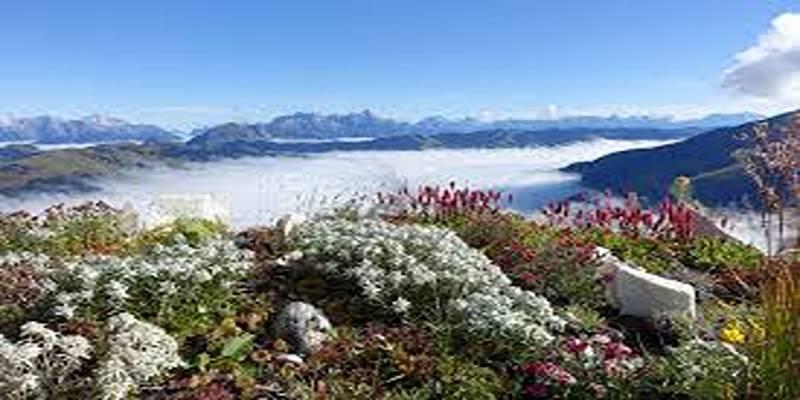
Set in the heart of the Rhine Valley, Vaduz may be one of Europe’s smallest capitals, but it offers a thoughtfully layered experience. Alpine scenery, carefully curated museums, and an orderly, calm atmosphere shape the city’s appeal. Vaduz does not aim to impress through scale. Instead, it leaves an impression through balance, clarity, and a sense of care in how culture, history, and nature are presented.
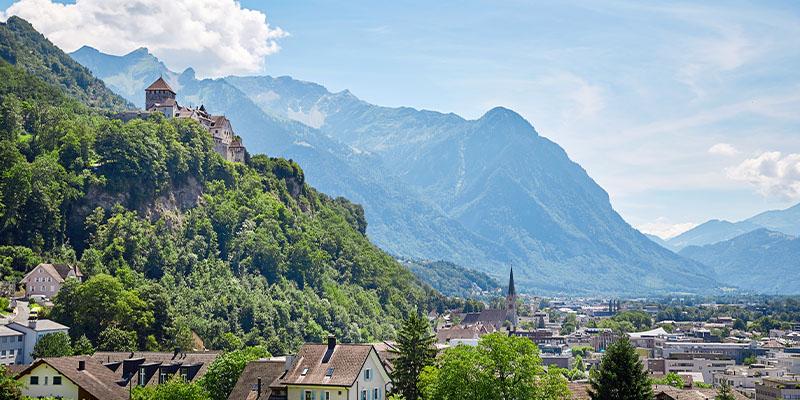
This Vaduz travel guide focuses on places that give real insight into the city rather than rushing through landmarks. Vaduz sightseeing works best at an unhurried pace, where walks between attractions matter just as much as the attractions themselves.
Vaduz Castle
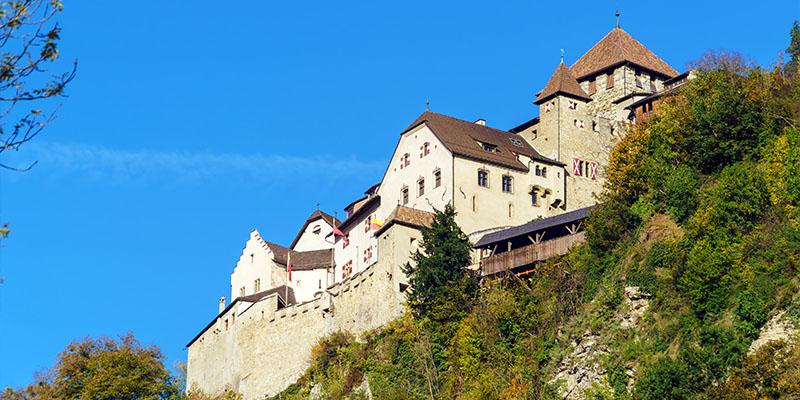
Sitting high above the town, Vaduz Castle is the most recognisable symbol of the city. Dating back to the twelfth century, the castle remains the official residence of the Prince of Liechtenstein and is not open to the public. Even so, it remains one of the most important things to see in Vaduz.
What makes the experience worthwhile is the approach rather than the interior. The uphill walk is manageable and scenic, and the reward comes in the form of wide views across the Rhine Valley.
What stands out during a visit:
- Panoramic viewpoints overlooking Vaduz and the valley below
- Clear sightlines toward Switzerland and the surrounding alpine landscape
- A sense of scale that helps explain Liechtenstein’s geography
Sunset is especially popular, when the mountains soften in colour and the town below settles into evening calm.
Kunstmuseum Liechtenstein
Kunstmuseum Liechtenstein is the cultural anchor of modern Vaduz. Its dark, minimalist exterior contrasts with the alpine surroundings, yet it feels intentional rather than imposing. Inside, the museum focuses on modern and contemporary art, with rotating exhibitions that keep the experience current.
This museum is central to Liechtenstein attractions for visitors interested in art beyond historical collections.
Highlights of the museum experience include:
- Strong curatorial focus with clear exhibition narratives
- A mix of international and regional contemporary artists
- Quiet, uncrowded gallery spaces that encourage slow viewing
The museum’s size makes it easy to explore without fatigue, fitting well into a relaxed day of Vaduz sightseeing.
Liechtenstein National Museum
For historical context, the Liechtenstein National Museum provides a clear overview of how this small principality developed its identity. The exhibitions move from prehistoric settlement through medieval history and into modern nationhood.
Rather than overwhelming visitors with detail, the museum presents information in a structured, accessible way.
What visitors often appreciate:
- Exhibits on daily life, traditions, and regional crafts
- Clear explanations of Liechtenstein’s political structure
- Interactive displays that add variety without distraction
This stop helps ground the rest of the visit, making later sightseeing more meaningful.
Vaduz City Park
Close to the town centre, Vaduz City Park offers a green pause between cultural stops. The park is carefully landscaped but never feels formal. Open lawns, walking paths, and distant mountain views create a calm setting that reflects the city’s broader character.
Art installations appear subtly throughout the park, adding interest without dominating the space.
Reasons to include the park in your route:
- Easy walking paths suitable for short breaks
- Clear views toward surrounding hills and open sky
- Benches and quiet corners for rest between museums
The park works well as a midday reset or a gentle end to a sightseeing loop.
Cathedral of St. Florin
The Cathedral of St. Florin stands near the centre of Vaduz and adds architectural presence without grandeur. Built in a neo-Gothic style, the cathedral’s tall spires and stained-glass windows offer a traditional contrast to the city’s modern cultural buildings.
Inside, the atmosphere remains restrained and peaceful.
Notable features include:
- Clean, uncluttered interior design
- Stained glass that filters soft light into the space
- Occasional concerts and cultural events
It is a brief stop, but one that adds balance to a day focused on museums and outdoor walks.
Postage Stamp Museum
Liechtenstein’s international reputation for philately comes to life at the Postage Stamp Museum. Small but well organised, the museum explains how postage stamps became both a cultural symbol and an economic asset for the country.
The displays are approachable even for visitors with no prior interest in stamp collecting.
What makes the museum engaging:
- Carefully designed stamp exhibits with historical context
- Insight into graphic design and national symbolism
- A short visit length that fits easily into a busy day
It is one of the more distinctive things to see in Vaduz and adds an unexpected layer to the city’s cultural profile.
Wine Tasting at Hofkellerei
Wine production is part of Vaduz’s quieter traditions, and Hofkellerei of the Prince of Liechtenstein offers a refined way to experience it. The historic wine cellar produces small quantities of local wine, including pinot noir and riesling.
Tastings focus on regional methods and landscape rather than volume.
The experience typically includes:
- Guided tastings with background on local viticulture
- Vineyard views across surrounding slopes
- A relaxed, informative setting rather than a commercial one
For many visitors, this becomes a highlight of Vaduz sightseeing.
Hiking and Scenic Trails
Vaduz is well-placed for walking and light hiking directly from town. Trails lead into the hills above the city, offering increasing elevation and wider views with minimal travel time.
Trail options appeal because they offer:
- Clearly marked routes with varying difficulty levels
- Panoramic viewpoints over the Rhine Valley
- Easy access directly from the town centre
These walks add a strong outdoor dimension to the Vaduz travel guide experience.
Rhine River Walks
At valley level, paths along the Rhine River provide a flatter alternative to hill trails. Walking or cycling here offers a different perspective, with open landscapes and wide skies replacing mountain backdrops.
Why these walks work well:
- Flat routes suitable for all activity levels
- Quiet surroundings away from traffic
- Views across farmland and riverbanks
This side of Vaduz feels particularly peaceful and reinforces the city’s connection to its setting.
Day Trips and Nearby Highlights
Short trips beyond Vaduz expand the range of Liechtenstein attractions. Nearby towns such as Schaan and Balzers are easy to reach and provide additional historical and scenic interest.
Popular nearby stops include:
- Gutenberg Castle overlooking the southern valley
- Local walking routes and small town centres
- Easy public transport connections
These trips add depth without requiring major planning.
Final Thoughts
Vaduz may be small, but it delivers a carefully balanced experience. From castle viewpoints and contemporary art to river walks and alpine trails, the city offers variety without pressure. Vaduz sightseeing feels intentional and personal, making it well suited to travellers who value clarity, culture, and natural setting over crowds.
For those seeking thoughtful travel rather than spectacle, Vaduz stands out as a capital that knows exactly what it is and does not try to be anything else.