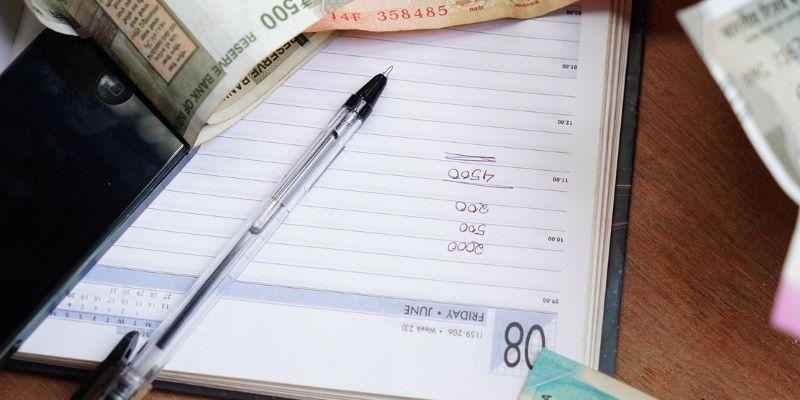
Interest can feel sneaky. One month looks fine. The next bill stings. We fix that. We break APR into simple steps you can run every month. You learn what your bank actually does. It turns APR into a daily rate. It multiplies that by your average daily balance. It bills you for each day you carry a balance.
We keep the math light. We show a clean formula. We walk through a real example. You see the number before it hits your statement. No fluff. Just the moves. After this, you know what you pay, why you pay it, and how to shrink it.
Why Interest Sneaks Up on You
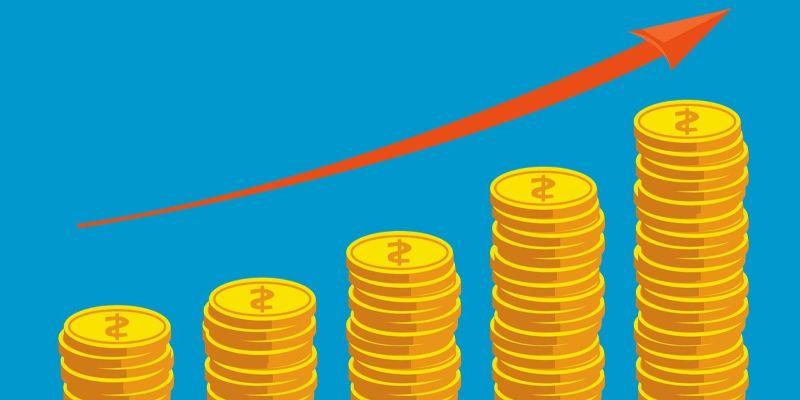
You think in months. Your card thinks in days. It turns APR into a daily rate. It applies that rate to whatever balance you carry that day. Small daily charges stack up fast. New purchases join the party mid-cycle. They start earning interest the moment you lose the grace period. You lose that grace when you don’t pay the full statement balance.
The statement date also tricks you. You see one number, but the clock keeps ticking after that snapshot. More days. More interest. Minimum payments keep the account open. They barely touch the principal. The balance lingers, so interest keeps compounding. Multiple APRs can hit at once. Regular purchases, cash advances, promos. Each runs its own meter. That’s why interest feels sneaky. It isn’t magic. It’s math.
APR, Minus the Jargon
APR looks fancy. It shows your yearly interest rate. Lenders use it to compare cards. You use it to estimate cost. We keep it tight. Two flavors matter for interest. Purchase APR and cash advance APR. Balance transfer APR appears if you move debt. Promo APR gives a teaser rate for a set time. Your statement lists each APR and the balance in that bucket.
Each bucket calculates interest. So one card can charge three different ways at once. Grace period fits here, too. Pay the full statement balance by the due date, and you avoid purchase interest. Miss that, and new purchases earn interest.
Your Daily Rate: Where the Math Begins
APR works yearly. Your card bills daily. So we turn APR into a daily rate. The bank divides APR by 365. Some issuers use 360. Your statement shows the base. Here is the move. Daily rate equals APR divided by days in the year. If APR is 24 percent, the daily rate is 0.24 divided by 365. That equals about 0.0006575. In percent, that is 0.06575 per day.
We use the daily rate because interest grows day by day. You carry a balance for each day of the cycle. The bank multiplies the balance for that day by the daily rate. It adds the result to the tally. Multiple APR buckets each get their own daily rate. A cash advance bucket can run hotter than purchases. A promo bucket can run cooler. Add them together and you get the monthly finance charge.
Average Daily Balance: The Quiet Multiplier
This part decides the size of your charge. We call it the average daily balance. It adds up each day’s ending balance, then divides by the number of days in the cycle. You build it with your real life. You swipe on day three. You return something on day seven. You make a payment on day ten. Each move changes the balance for the days that follow. The math captures that ebb and flow.
Here is why it matters. A big balance early in the cycle weighs more than the same balance added late. More days mean more weight. So an early payment cuts more interest than a late one. Your statement may show this number, or it may not. You can estimate it. Track daily balances, average them, then use the daily rate we just built. Multiply the average daily balance by the daily rate by the days in the cycle. That gives you interest.
The Simple Formula You Can Reuse
Here is the whole thing in one line. Interest for the cycle equals average daily balance times daily rate times number of days. We write it like this: Interest = ADB × DR × D. ADB means average daily balance. DR means daily rate. D means days in the billing cycle. Let’s define the parts so you can reuse them fast. ADB is the sum of each day’s ending balance divided by D. DR is APR divided by 365. If your bank uses 360, use that.
D is the count of days from the last statement close to the next one. Now bring it together. Multiply ADB by DR, then multiply by D. That gives the finance charge for that APR bucket. Do this for each bucket if you have more than one. Add the results. That total matches what your statement labels as interest.
A Walkthrough with Real Numbers
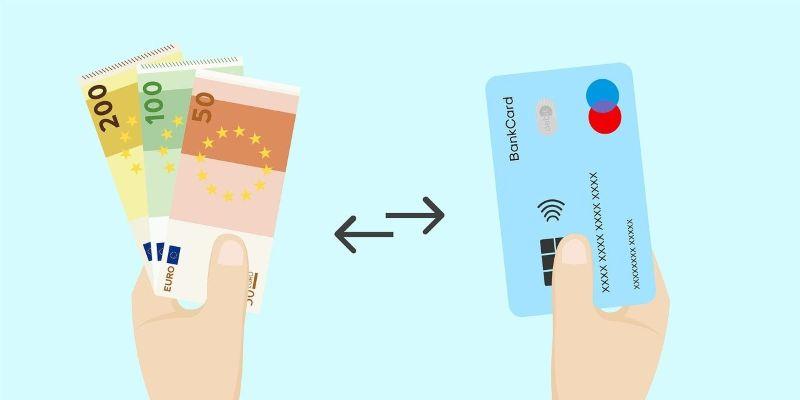
Say your purchase APR is 24 percent. Your cycle runs 30 days. Your balances bounce like this. From Day 1 to 9, you carry 900 dollars. Day 10, you pay 300. Days 11 to 20, you carry 600. Day 21, you buy 200. Days 21 to 30, you carry 800. First, build the average daily balance. Multiply 900 by 9 days. That gives 8,100. Multiply 600 by 10 days. That gives 6,000.
Multiply 800 by 10 days. That gives 8,000. Add them up. Total is 22,100. Divide by 30 days. ADB is 736.67. Next, build the daily rate. APR 24 percent divided by 365 gives 0.0006575. Now calculate interest. ADB 736.67 times DR 0.0006575 times 30 days equals 14.52. That is your purchase interest.
If you also pulled a $300 cash advance at 30 percent APR on day 1, run a second pass. Build a separate ADB for that bucket. Use its APR for DR. Multiply and add. The sum across buckets matches your statement.
When Interest Actually Starts and Stops
Interest starts after you lose the grace period. You keep grace when you pay the full statement balance by the due date. I miss that, and new purchases start racking up interest the day they post. Cash advances skip grace. They earn interest right away. Same for many balance transfers once promos end.
Interest stops only when the balance in that APR bucket hits zero. Paying the statement minimum does not stop it. Paying the current balance does. Timing matters. A payment early in the cycle cuts more days. A payment is late. Earlier wins. Only two sections remain in the outline. Here they are.
Mistakes That Inflate Your Charge
You ignore the grace period and carry a balance. That flips the interest on for new purchases. You pay late in the cycle. Days stack up and cost more. You chase points while you owe. Rewards lose to interest every time. You make only the minimum. The balance barely moves, so interest keeps piling.
You mix buckets. A cash advance at a higher APR sits under payments, while cheaper purchases get paid first. You forget promos expire. The rate jumps, and your charge spikes the very next day.
Small Tweaks That Cut It Down
Pay early. Pay more than once. Kill the highest APR bucket first. Skip new swipes when you carry a balance. Set autopay to statement balance. Use promos to refinance, then plan the payoff.