Woody Allen has a statue in the middle of Oviedo. He famously called the city a "fairy tale" after visiting for an awards ceremony. The local tourism board loves that quote. They plaster it everywhere. And to be fair, if you walk through the old town near the Cathedral of San Salvador, it does look like a movie set. The streets are pedestrianized and scrubbed clean every single night. The buildings are a mix of warm orange stone and intricate iron balconies.
But a quote from a film director doesn't help you navigate the actual city. Oviedo is the capital of Asturias, the rainy, green north of Spain. It is not the Spain of flamenco and gazpacho. It is the Spain of bagpipes, heavy stews, and a climate that feels more like Ireland than Ibiza. Visiting here requires a shift in gear. You aren't here to rush. You are here to eat until you can't move and to learn the very specific, slightly messy art of drinking cider.
The Train Tunnel That Changed Everything
Getting to Oviedo used to be a haul. The mountains that separate Asturias from the central plateau of Spain are massive. For decades, the train from Madrid had to wind its way up and down the Pajares pass. It was scenic, but it took forever—nearly five hours of slow chugging.
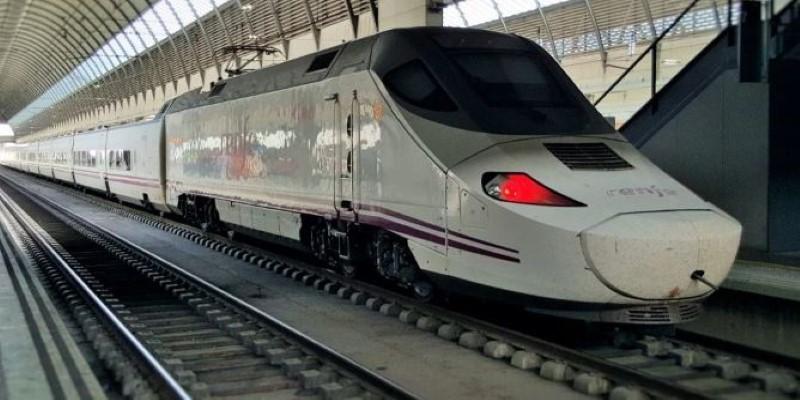
That changed recently. The "Pajares Variant" tunnels finally opened. These are massive engineering projects that cut straight through the rock. You can now take an AVE or Alvia train from Madrid Chamartin to Oviedo in about three hours.
This speed changes how you plan the trip. It makes Oviedo a viable weekend add-on to a Madrid vacation. But there is a catch. The pressure change in the tunnels is real. Your ears will pop constantly. Also, the transition is visually jarring. You enter a tunnel in the dry, brown landscape of Castile and exit ten minutes later into the lush, wet green of Asturias. It feels like teleporting.
A quick note on arrival: The train station is central. You can walk to the old town in ten minutes. This is rare in modern Spanish cities where stations are often pushed to the outskirts. If you fly, however, you are landing at Asturias Airport (OVD), which is nowhere near the city. It’s on the coast. You’ll need to take the Alsa bus, which takes 45 minutes and costs around 9 euros. Don't grab a taxi unless you want to burn 60 euros immediately.
The Cider House Rules (And The Sawdust Floor)
You cannot avoid the sidrería. These are the cider houses, and they are the social lung of the city. Calle Gascona is the famous street lined with them, often called "The Cider Boulevard." It is touristy, but locals go there too.
Here is where visitors embarrass themselves. Asturian cider is not beer. It is flat apple wine. To make it taste good, it has to be aerated. The waiter (escanciador) pours the bottle from high above their head into a glass held at their knee. The liquid smashes against the glass, froths up, and splashes onto the floor. That is why the floor is covered in sawdust or specialized drains.
Do not try to pour it yourself. The waiter will stop you. It is seen as rude to the house. Also, do not order a "glass" of cider. You order a bottle. The waiter will pour you a "culín"—just two fingers of liquid. You have to drink it immediately, in one gulp, while the bubbles are still alive. If you let it sit on the table, it goes flat and tastes like vinegar.
There is a final rule that trips people up. You don't drink the very last drop in the glass. You are supposed to dump it onto the floor (in the designated drain) to "clean" the part of the glass your lips touched. It feels wrong to pour a drink on the floor, but if you don't do it, you look like a tourist.
The Food Warning: Fabada and Cachopo
Asturian food is heavy. It was designed for coal miners and farmers who burned 4,000 calories a day. If you sit down for lunch and order like you are in Barcelona, you will be in trouble.
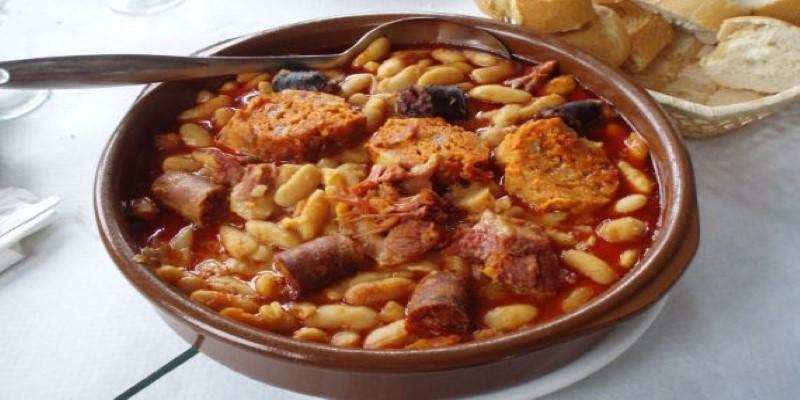
The most famous dish is Fabada Asturiana. It is a white bean stew with chorizo, morcilla (blood sausage), and bacon. It is delicious, smoky, and incredibly dense. If you eat a full plate of this for lunch, your afternoon sightseeing plans are dead. You will need a nap. Do not plan a hike up Mount Naranco after a fabada.
Then there is the Cachopo. This is the viral star of Asturian cuisine. It is two large veal fillets breaded and fried, stuffed with ham and cheese. It is enormous. It looks like a pizza box made of meat.
The mistake everyone makes is ordering one per person. I have seen tables of American tourists do this. The waiter brings out four platters, and the look of horror on the tourists' faces is real. One cachopo is meant for two or three people to share. Ask the waiter about the size before you commit.
The Hike Up Mount Naranco (And the Lunch Break Trap)
Pre-Romanesque architecture usually sounds dry. In Oviedo, it's actually just a good excuse to hike. The two big sites—Santa María del Naranco and San Miguel de Lillo—sit on a hillside overlooking the city. They look like stone miniatures from the bottom.
Getting up there is the first hurdle. You could wait for the bus (Line A), but I’ve stood at that stop for forty minutes in the rain before giving up. Walking is the better option, even if your calves burn. It’s a steep, steady trudge from the train station that takes about an hour.
The real danger here isn’t the walk; it’s the clock. These buildings are 9th-century relics, not modern museums. The people running them go to lunch. The doors often lock tight around 2:30 PM and don't open again until late afternoon. If you arrive at the gate at 2:35 PM after sweating all the way up the hill, you aren’t getting in. You are just stuck outside staring at a locked wooden door. I’ve seen it happen. Check the hours for the specific day you are there, and aim for the morning. The view from the terrace—looking down at the wet slate roofs of the city—is great, but it’s annoying if you can’t see the inside.
Why Bother With Oviedo?
This isn’t a city for anyone craving constant activity. It’s quiet. On a Tuesday night in November, you can walk a few blocks and barely see anyone after midnight. And yes, your shoes will end up soaked. The rain just doesn’t quit. But the trade-off makes sense.
Oviedo doesn’t try to impress visitors or pretend to be something it’s not. It feels lived-in, steady, and real. You can sit in a bar, get a huge plate of food for ten euros, and watch the waiter pour cider like it’s second nature. It’s straightforward, affordable, and unpretentious. If Barcelona’s crowds or Seville’s heat have drained you, this place feels like hitting reset.