Buenos Aires feels like a city built for emotions — a place that moves to its own rhythm, where every street corner hides a new surprise. From peaceful gardens to bustling plazas, it’s a destination that invites slow wandering and long pauses. Travellers often arrive expecting European architecture and tango, yet they stay for the warmth and texture of everyday life.
The city is big, but it’s best explored in small bites. Every neighbourhood has its own personality, from polished Recoleta to bohemian San Telmo. Below are 10 places that capture the spirit of Buenos Aires — each one a memory waiting to be made.
La Boca
La Boca is where Buenos Aires wears its brightest smile. Caminito Street feels like an open-air gallery, painted in every shade imaginable. Musicians play, dancers spin, and painters sell their work right on the pavement.
It’s not about ticking off landmarks here; it’s about soaking in the raw energy of a neighbourhood that never forgot its roots. A stroll through La Boca is a reminder that colour and character often grow from simplicity.
San Telmo
San Telmo is an old soul wrapped in stone. Its cobbled streets, antique stores, and weekend market make it one of the most atmospheric corners of the city. You might find yourself chatting with a shopkeeper about a piece of furniture older than your grandparents or sipping coffee at a café that hasn’t changed in decades. Time moves differently here — slower, softer, and somehow more honest. The air smells faintly of roasted coffee and nostalgia, blending the past with the present.
Palermo Parks
When the buzz of the city grows loud, Palermo offers space to breathe. The Bosques de Palermo is a patchwork of lakes, gardens, and walking trails that stretch as far as the eye can see. Locals jog, read under trees, or picnic beside the water.
The rose garden alone feels like a living painting. It’s a place that reminds visitors that Buenos Aires is not all rhythm and rush — it also knows how to rest. Each gentle breeze carries the scent of blooming roses and eucalyptus.
Recoleta Cemetery
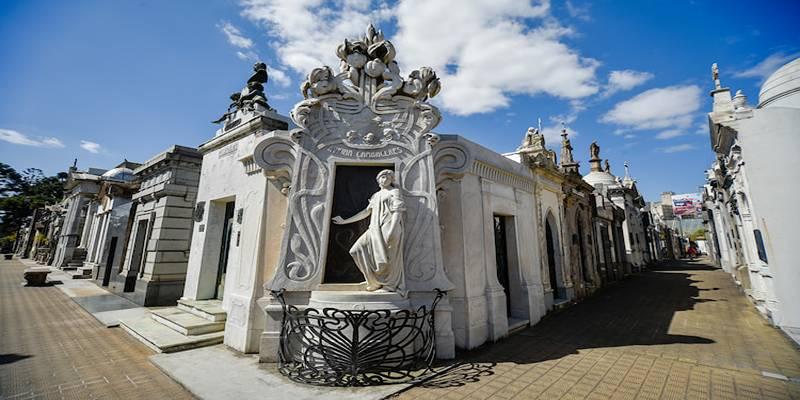
Few cemeteries draw visitors like Recoleta. It’s a marble maze of family tombs and silent paths, with names carved deep into Argentine history. Yet beyond its famous residents, it’s the artistry that stands out — sculptures, iron gates, and carved angels resting under the sun. It’s a calm, reflective space in a city that rarely stops moving, and it leaves an impression far deeper than expected.
Plaza de Mayo
Plaza de Mayo sits at the heart of Buenos Aires life. It’s where voices gather — sometimes in celebration, sometimes in protest. Surrounded by grand buildings like the Casa Rosada, the plaza has seen moments that shaped Argentina’s identity.
Today, it’s still a place where locals sit, chat, and watch life unfold. Standing here, you can feel the pulse of the city under your feet. Pigeons flutter, children chase each other, and workers rest on benches with their lunch.
Puerto Madero
For a taste of modern Buenos Aires, Puerto Madero is the spot. Glass towers rise beside restored red-brick docks, creating a mix of old and new that feels effortless. The waterfront promenade invites slow walks, especially in the evening when the light softens over the river.
The iconic Puente de la Mujer, a sleek white pedestrian bridge, feels like the perfect symbol of a city constantly reinventing itself. The air here feels cleaner, touched by the river breeze. Watching the skyline glow at sunset makes you realize how gracefully the city blends heritage with progress.
Teatro Colón’s
Step inside Teatro Colón and you might forget to breathe. Every curve, every chandelier, every whisper in this opera house tells a story of art and precision. The acoustics are said to be among the best in the world, but even without a performance, a guided tour leaves visitors awestruck. It’s more than a theatre — it’s a cathedral of sound and craftsmanship. Standing beneath its grand dome, you can almost hear echoes of the world’s greatest voices.
Colegiales and Palermo Street Art
Buenos Aires treats walls as canvases. In Colegiales and Palermo, entire blocks are alive with murals — some playful, some political, all bold. Each stroke adds another voice to the conversation of the city.
Walking here feels like flipping through a comic strip drawn by dozens of different hands, each telling a slice of life. It’s creativity on display, free for anyone to admire. Every mural has its own heartbeat, painted with raw emotion and humour.
Café Tortoni
Café Tortoni is a living postcard from another era. Founded more than a century ago, it still serves hot chocolate thick enough to slow your spoon. Writers, musicians, and thinkers once filled its tables, and their spirit lingers between the marble floors and heavy curtains. Sitting here, you understand why locals take their coffee slowly — it’s not just about the drink but about belonging to the moment. Every sip feels like part of a story being retold.
Palermo Soho
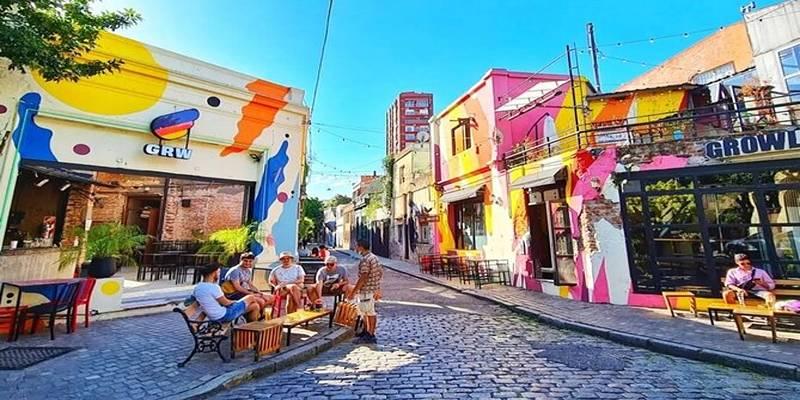
If Buenos Aires had a pulse, you’d find it beating strongest in Palermo Soho. Independent boutiques, small galleries, and outdoor patios fill the maze of streets. Every corner seems to have its own rhythm — one shop selling handmade leather shoes, another playing soft acoustic tunes. It’s trendy without trying too hard, drawing both artists and wanderers who crave a taste of local creativity. As daylight fades, string lights flicker across courtyards and laughter fills the air.
Conclusion
Buenos Aires is more than a destination; it’s a collection of emotions tied to places that feel both familiar and new. The 10 places to never forget in Buenos Aires reveal the city’s many moods — colourful, reflective, romantic, and alive in equal measure.
From the murals of Palermo to the quiet beauty of Recoleta, each stop tells a different story of what it means to belong to this city. You don’t visit Buenos Aires just once; it stays with you, stitched into your memory like the rhythm of a tango that never quite fades.