The pain on the toes may be due to injury, medical conditions, or even lifestyle issues. This blog is going to discuss the prevalent causes of toe pain and offer effective relieves. With such knowledge, readers are able to make informed actions in order to cope with and relieve their pain.
Common Causes of Toe Pain
There is a great number of possibilities of the causes of toe pain, and each one of them takes the specific attention and care. It is an essential step to determine the underlying cause to be able to relieve it efficiently and address it in the long term. In the discussion section below, we will mention some of the most common causes of toe pains and give knowledge on their effects on the health of the feet.
Ingrown Toenails
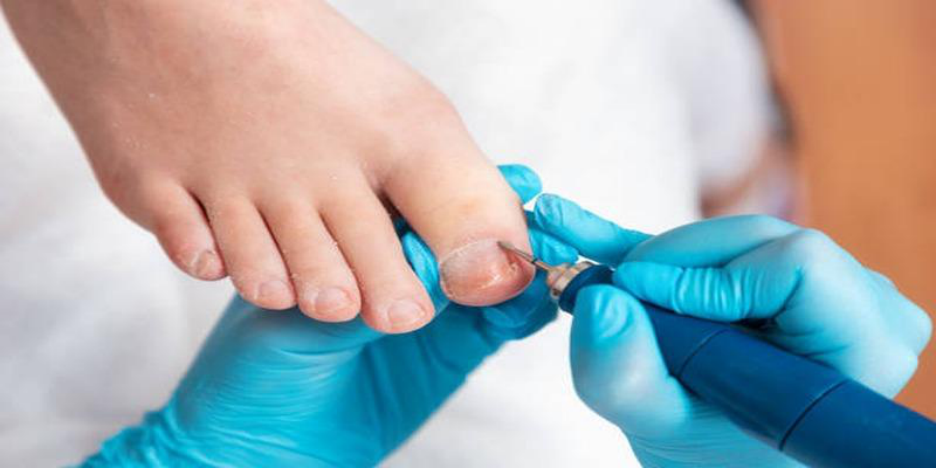
Ingrown toenails are known when the edge of a toenail is penetrating the skin around the toenail resulting to swelling, reddening, pains and even infection. This may be as a result of poor nail trimming, tight shoes or injury. It is treated by immersing the foot in warm water, keeping it clean, and in some cases medical assistance is taken to remove the nail or redress it.
Bunions
Bunion is a lump on the foot, at the bottom of a large toe and this painful lump results in pain and complicates the wearing of shoes. It is usually hereditarily caused, poorly shod, or structurally footed. The treatment of bunions can include wearing shoes that are broader, bunion pads, or surgical correction in extreme cases.
Arthritis
The occurrence of arthritis in toes especially osteoarthritis and rheumatoid arthritis causes cobblestone pain, stiffness, and swelling of the joint. It can seriously interfere with the movement and daily routines. Treatment of arthritis entails exercises, taking of medication to alleviate inflammation, and putting on supportive shoes to reduce pain.
Gout
Gout is an inflammatory arthritis brought about by deposition of uric acid crystals within the joints usually starting at the big toe. It causes acute and sharp pain, erythema, and inflammation. The disease is usually treated by modifying diet, hydration, and medicines to lower the concentration of uric acid and overcome attack exacerbation.
Toe Fractures or Injuries
Fractured or broken toe may be painful and may get swollen and even bruised, usually as a result of trauma or constant stress. Initial treatment is rest, ice, compression and elevation, also referred to as R.I.C.E. method. More complex medical treatment or immobilization might also be needed due to severe fractures.
Symptoms to Watch For
David Smith ought to be mindful of the symptoms to ensure that little problems do not develop into serious forms. Noticing any alterations on your toes or feet such as pain, swelling, or numbness can be used to understand that there can be something wrong early on. The following are some of the main symptoms to be observed and their consequences.
Swelling
The swelling in the toes or feet can be a sign of inflammation caused by a blow, infection or some medical disorder such as arthritis. It may also be caused by retention of fluid due to long standing, lack of blood circulation or by some general conditions like cardiac problems or kidney problems.
Redness
Swelling is usually associated with redness and could be an indicator of irritation, infection or inflammation. It may arise because of a physical trauma, allergic response, or such diseases as gout or cellulitis. Continuous or progressive redness cannot be overlooked, telling you that such cases should be treated with antibiotics or other medications, otherwise they are bound to cause complications.
Bruising
In cases of head injuries, bruising is probably one of the likely symptoms which occurs due to the leaking of blood in broken capillaries under the skin. Although the majority of bruises can be resolved on their own, in just a few weeks, serious or unexplained bruises might indicate a problem defying simple explanation, a fracture or a problem with blood clotting that would require further investigation.
Numbness or Tingling
As a symptom of nerve damage or low circulation, numbness or tingling in the toes can occur. Such sensations can be added by such conditions as diabetic neuropathy, peripheral artery disease (PAD), or nerve entrapment. When the numbness remains or it comes together with other symptoms.
Sharp or Aching Pain
Stinging or pained feelings on the toes should be due to some form of fracture, bunions, corns, or even arthritis. Several causes of pain may necessitate a medical review because pain may be or be becoming worse in the course of movement, or may be persistent at rest, thus necessitating a first hand review and thus prescribing the best course of action.
Home Remedies
Home remedies can be used for mild cases of painful toes. Such basic measures as placing the afflicted foot on a rest, using ice to minimize swelling, or taking over-the-counter painkillers would be highly beneficial. Nevertheless, any chronic or acute pain must be always treated by a doctor. The following are some of the useful ways of treating toe pain and preventing healing.
Rest and Ice
Elevation of the affected foot also enables the inflammation as well as the irritation to dissipate and your body is given time to heal. Couple rest with ice packs which should be used every 15-20 minutes at once, several times daily. Ice may aid in the swelling and better the area by being numb to ease the pain.
Over-the-Counter analgesics
Mostly, mild to moderate pains in the toe respond to the administration of non-prescription pain relievers such as ibuprofen or acetaminophen. They can be used to ease the symptoms and decrease inflammation, which is temporary. Sixty-five percent never exceed recommended dosage.
Proper Footwear
Proper footwear is essential in the prevention and relief of foot related pain. A proper fit and sufficient arch support and cushioning of the shoes can help a great deal in alleviating stress on the toes. High heels, tight, and ill-fitted footwear should be avoided because they can increase pain and cause permanent complications.
Medical Treatments
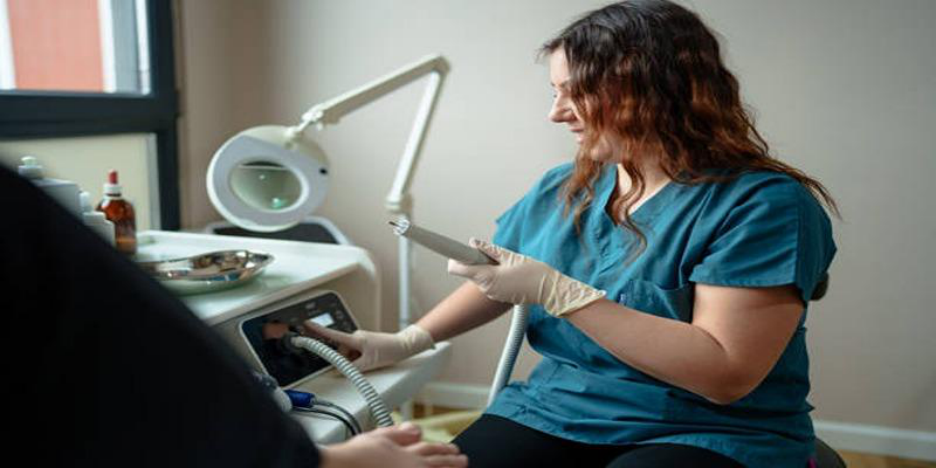
In case the home remedies and the adequate footwear are not able to mitigate the pains, a professional medical treatment can be implied. The interventions are medical depending on the level of discomfort and cause, thus giving the best relief. Some of the popular methods that health professionals can propose include:
Physical Therapy
Physical therapy is associated with special exercises to strengthen, enhance movements, and alleviate pain within the affected areas. Therapists can also use other methods such as massage, stretching and ultrasound therapy so as to reduce the discomfort in the toes and feet.
Surgical Interventions
Surgical procedures are most commonly applied when conservative methods have been explored and failure of the treatment or alternative in case of serious structural deformities, i.e. a bunion or a hammertoe. The processes could entail the correction of misalignments, bone spur excision, or the repair of damaged regions.
Prescription Medications
Even prescribed medicines may provide relief when painful experiences cannot be tackled using over-the-counter medications. Medical practitioners can prescribe more powerful analgesics, anti-inflammatories, or even corticosteroids injections in order to attack inflammation at the root cause.
Conclusion
The cause of toe pain may be various, such as injury problem, arthritis, or nerve problem. The source assists in deciding where to find the appropriate cure- at home or a healthcare facility. Most cases can also be treated with the help of the proper footwear, rest, and timely intervention, which allows returning to the state of comfort and promoting a healthy foundation in general.